Learning & Wellbeing
Learning
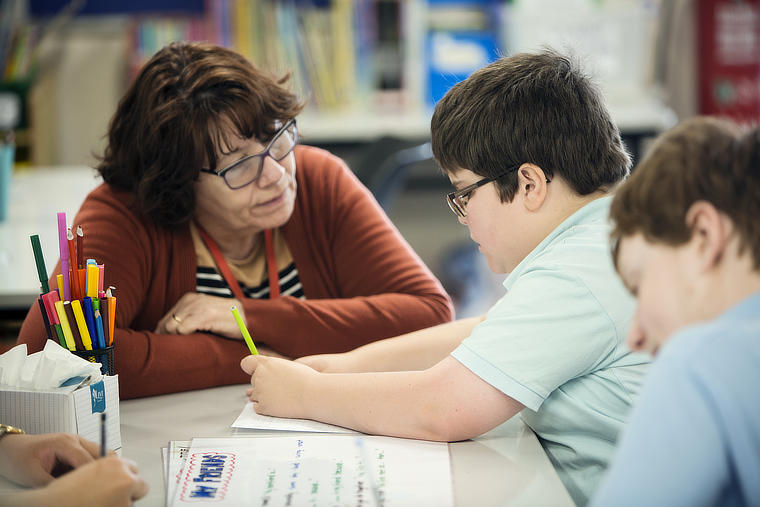
Melton Specialist School provides high quality instruction and learning programs with the aim to provide every child the opportunity to develop to his/her maximum potential in a supportive yet challenging environment. Setting high expectations and standards, collaboratively sharing great practice and ongoing professional learning for all staff helps to develop consistent approaches and innovative practices.
Teachers at Melton Specialist School strive to meet the individual learning needs of all students by considering the knowledge, interests and abilities students bring to a learning context, the key skills and content of the area being taught, how the students will be organised for learning (individual, cooperative groups, interest) and the ongoing assessment strategies that help inform the teaching and learning cycle.
Through explicit teaching of learning, the utilisation of inquiry techniques, using student’s interests, ideas and passions and providing a safe and secure learning environment which encourages risk taking and creative thinking, we are able engage students in their learning.
Curriculum
Students in our schools learn English, Mathematics, Science, Humanities, Health & Physical Education, the Arts and Information and Communications Technology (ICT). They also participate in Life Skills programs and activities based on their individual needs.
The Abilities Based Learning and Education Support (ABLES) program supports the teaching and learning of students with disabilities and additional needs. It provides a suite of curriculum, pedagogy, assessment and reporting resources that assist teachers in recognising and responding to the diverse learning needs of all students, and in assessing and reporting student learning, monitoring student progress and providing accurate intervention advice.

The AusVELS curriculum was the initial incorporation of the Australian Curriculum areas of English, Mathematics, History and Science into the Victorian Essential Learning Standards (VELS). The AusVELS curriculum will continue to be available until December 2016.

Individual Support

Individual Learning Plans
The Individual Learning Plan(ILP) is a working document which describes the student’s current skills at the beginning of the academic year and then sets out learning goals. It is regularly reviewed, adjusted and adapted as progress towards goals is made. ILP goals describe social skills and learning behaviours which will make it possible for the student to access curriculum learning.
The goals are based on thorough assessment of the student’s needs and abilities, so that the program is as appropriate as possible. Teachers assess core skills which support learning and engagement. Members of the Student Support Group work together to identify goals for the student to work towards in the long and short term. They may need to be broken down into achievable steps, with each step forming a goal for a current or future learning plan.
Student Support Group Meetings
Student Support Group(SSG) meetings are held regularly and focus on educational planning for your child and monitoring of their progress. The composition of the Student Support Group generally consists of the parent/caregiver, teacher and principal or nominee. The Student Support Group may also invite input from any other person with knowledge of your child or with information relevant to the educational or social needs of your child.
It is the responsibility of the Student Support Group to identify your child’s needs and develop an Individual Learning Plan(ILP) in consultation with your child’s teachers and identify supports to deliver the learning plan. Review and evaluation your child’s program is carried our regularly and at other times if requested by any member of the group.
SWPBS
School-wide Positive Behaviour Support (SWPBS) is an evidence-based framework for preventing and responding to student behaviour. It aims to create a positive school climate, a culture of student competence and an open, responsive management system for all school community members. It includes analysis of data in professional learning teams, implementation of evidence based practices and organisational systems for establishing safe, purposeful and inclusive school and classroom learning environments while providing the individual behaviour and learning supports needed to achieve academic and social success for all students.
Our school’s chosen Positive Behaviour Support standards are Be Respectful, Be Responsible and Be Safe. The standards are colour coded and have characters associated with them to help students of all abilities recognise and remember what they are and why they are important for our school community.
Centre of Cultural Learning
This year Melton Specialist School plan to create a Centre for Cultural Learning. This space has been inspired by the Victorian Aboriginal Education Association (VAEAI) vision for learning centres/hubs within schools that promote and celebrate Aboriginal and Torres Strait Islander culture. The purpose of the centre will be to provide a space at the school which is dedicated to the teaching and promotion of Aboriginal culture. The centre will house teaching resources such as books, artefacts, tools, and will be also used to host cultural events and deliver professional training to teachers and the wider community.
You can learn more about VAEAI and the centre of cultural learning via VAEAIs website – VAEAI – Victorian Aboriginal Education Association Inc.
Pathways & Transitions
Pathways Education
Pathways Education is delivered within the broader curriculum and includes access to experiential learning delivered in live or simulated work places or experiences to community events. Through pathways education and career action plans, students will explore the world of work, identify pathway options and make decisions about their options post-school.
Through pathways learning students will:
- explore who they are
- identify their strengths and interests
- develop profiles/resumes that captures their experiences
- explore options and make informed decisions about their future
- learn and experience work related skills
- gain vocational qualifications for further study and employment (where appropriate)
- form a better understanding of the requirements of the workplace
- participate in the school and local community
- explore social and leisure opportunities
Our Pathways Team can support you with any questions
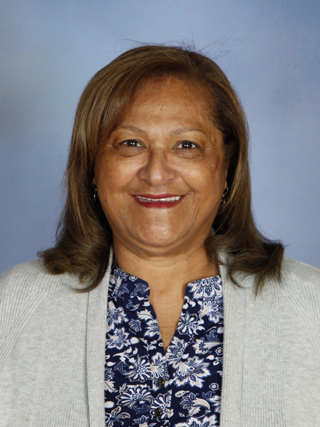
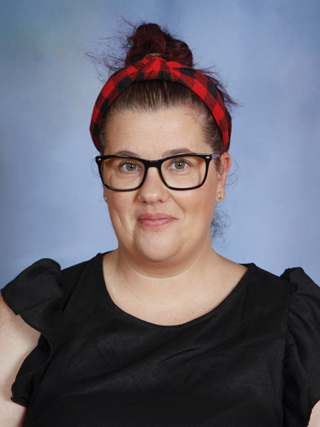
Joan Cummings – Assistant Principal
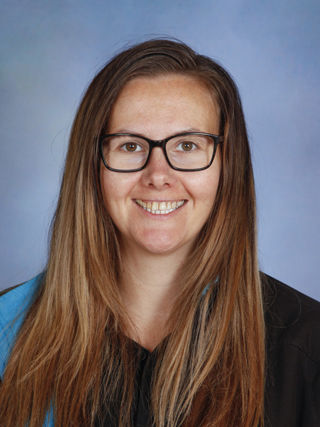
Megan Oldfield – Curriculum, Assessment, Reporting and Programs (7-12)
Linsay Knight – Senior Secondary Assessment and Programs
Michelle Fry – Pathways Support
Joan
Megan
Linsay

Michelle
Work Experience
Melton Specialist School values hands-on, applied learning opportunities and experiences to ensure skills can be translated to other environments.
P -2
Students will practice being active citizens of our school community through accessing the library, shared learning spaces and shopping at Melton Fresh Food and the Gotcha Shop.
3 – 5
Students will practice basic employability skills through supporting with in-school jobs such as making deliveries and cleaning shared spaces.
7 – 8
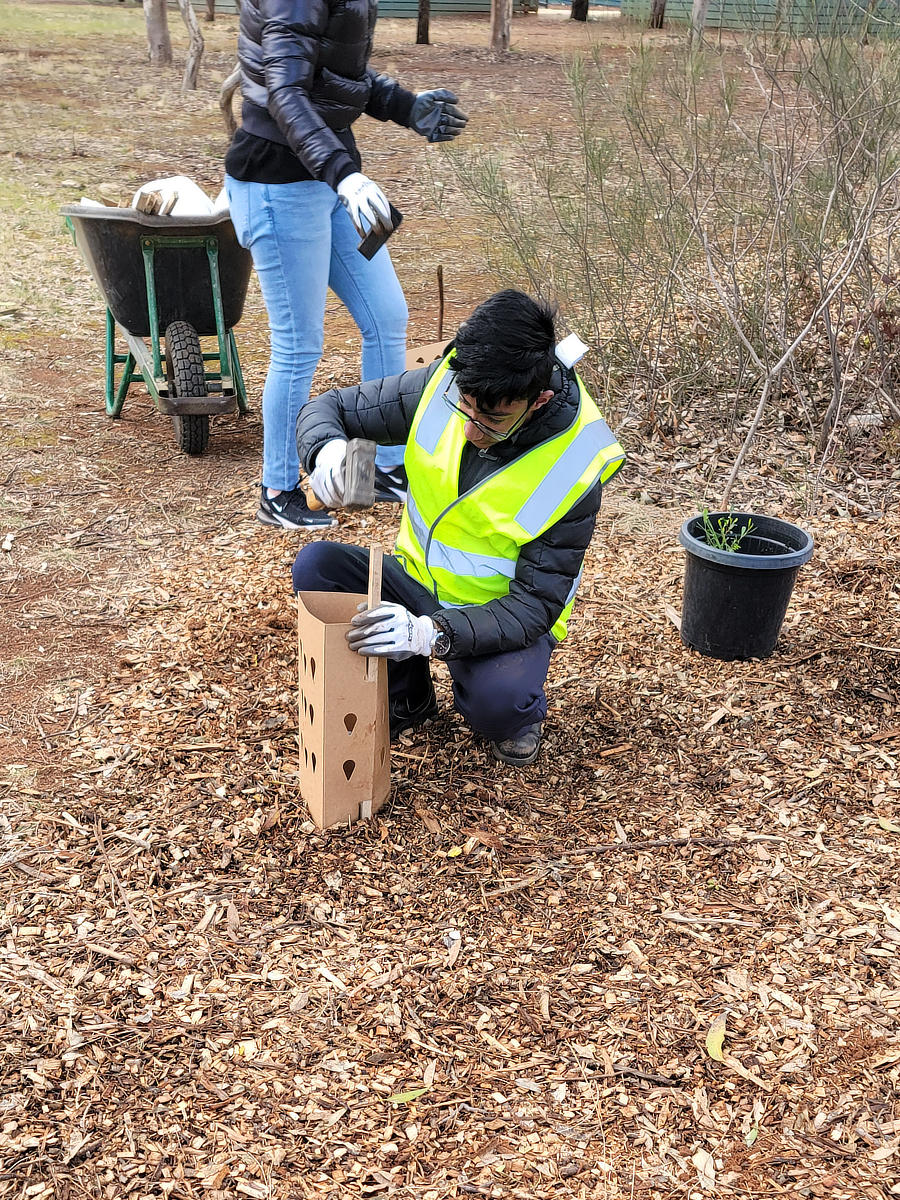
Students will practice employability skills through working in in-school programs such as the horticulture program, the café program (TBA), Breakfast Club, Melton Fresh Food and The Gotcha Shop.
Year 9/10 Programs
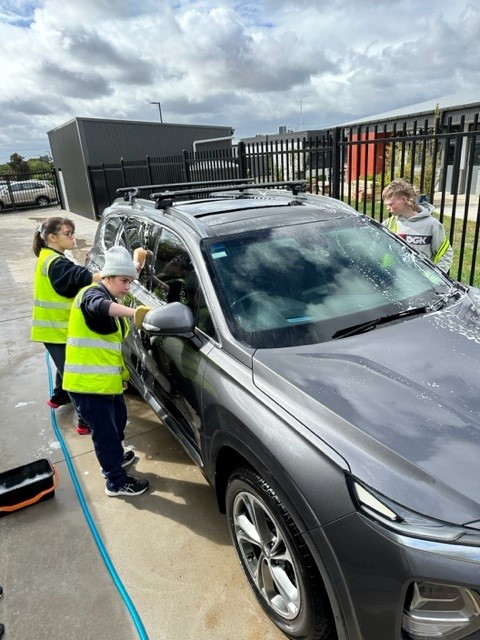
Programs in Years 9 & 10 focus on preparing students for Program selections in Year 11 and 12 that supports them in making informed choices of their Post-School Pathways and equip students with the skills to be successful.
In Semester 2, Year 9 students will engage in “A Job Well Done Program” supplemented by work experience opportunity through Gen U. Year 10 students will engage in the Western Edge Cluster “Trade Taster Day” and individualised to their needs the “Glide In” or “Omnemda” Programs.


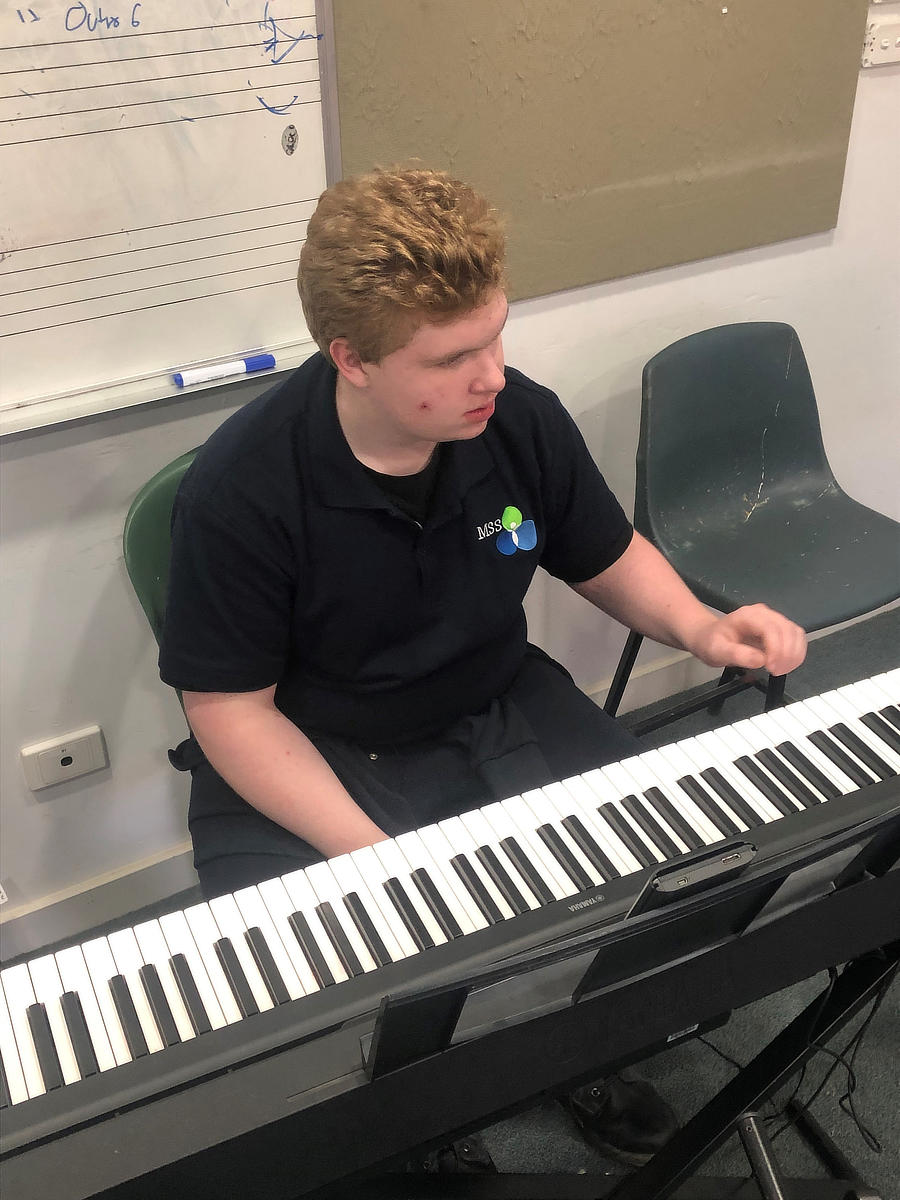
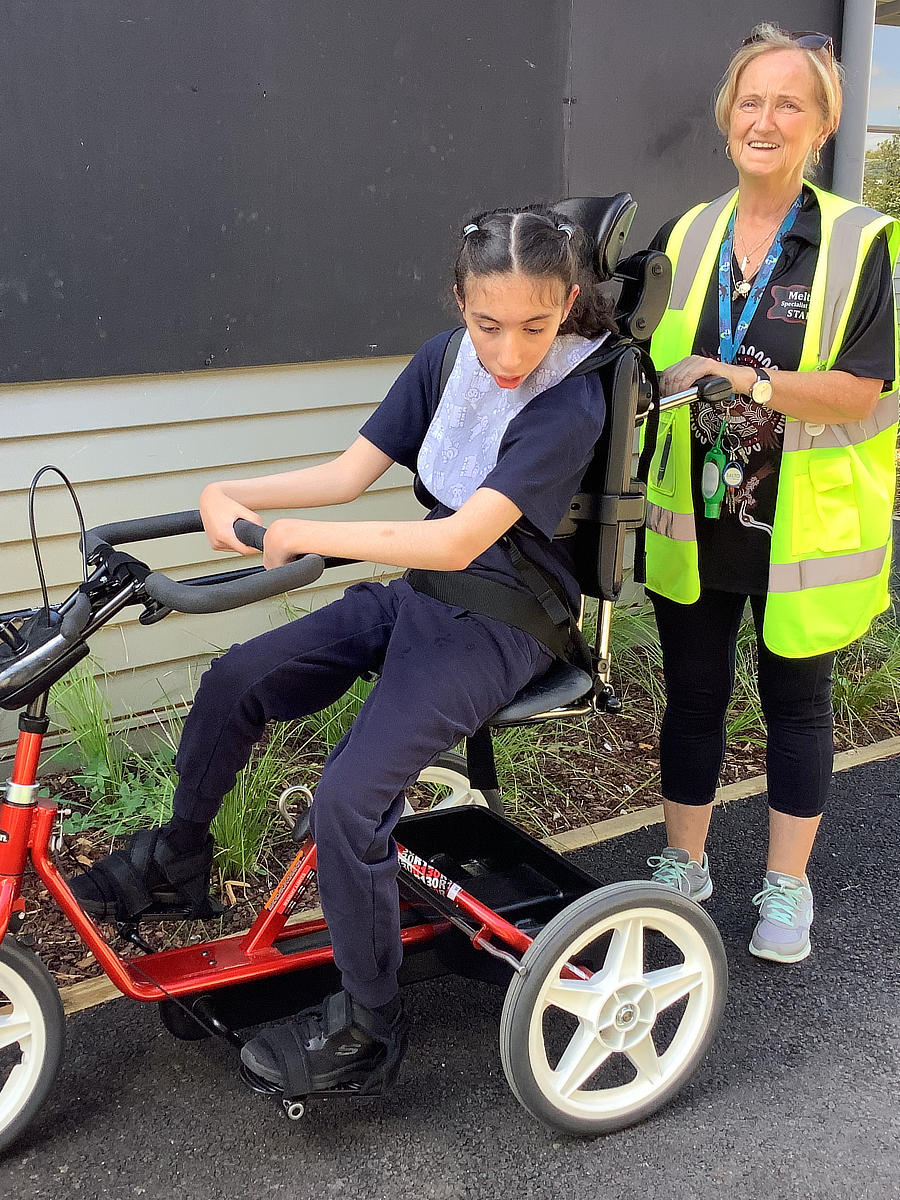
Both Year 9 & 10 students will select a trade or area for a “Try a Trade Program” that they would like to learn more about to support their choices for VET or SBAT selections or experience new leisure opportunities.
Post-School Pathways
We pride ourselves on supporting all Year 12 Graduates to transition from school to their future pathways. In collaboration with families, students make informed choices that best meet their own interests and needs through visits and experiences to different providers, incursions, transition days, Senior Secondary Program Information Nights and Post-School Pathways Expos.
Our students typically transition to the following pathways:
- Adult Training Support Services
- School Leaver Employment Services
- Disability Employment Services
- Further Education
Our Pathways Team can support you with any questions
Joan Cummings
Assistant Principal
Michelle Fry
Pathways Support
Natalie Grant
NDIS Navigator
Joan
Michelle
Natalie
VPC
Victorian Pathways Certificate
The Victorian Pathways Certificate (VPC) is designed to support learners to further develop and enhance their employability skills to enable them to enter employment or further education.
Students are required to be more independent with their learning and interpersonal skills by attending VET courses and SWL which are competency based (pass or fail).Students will achieve
their VPC certificate through project-based learning to help support them make connections to the real-world through:
- VPC Literacy
- VPC Numeracy
- VPC Work Related Skills
- VPC Personal Development Skills
Vocational Education and Training – VET
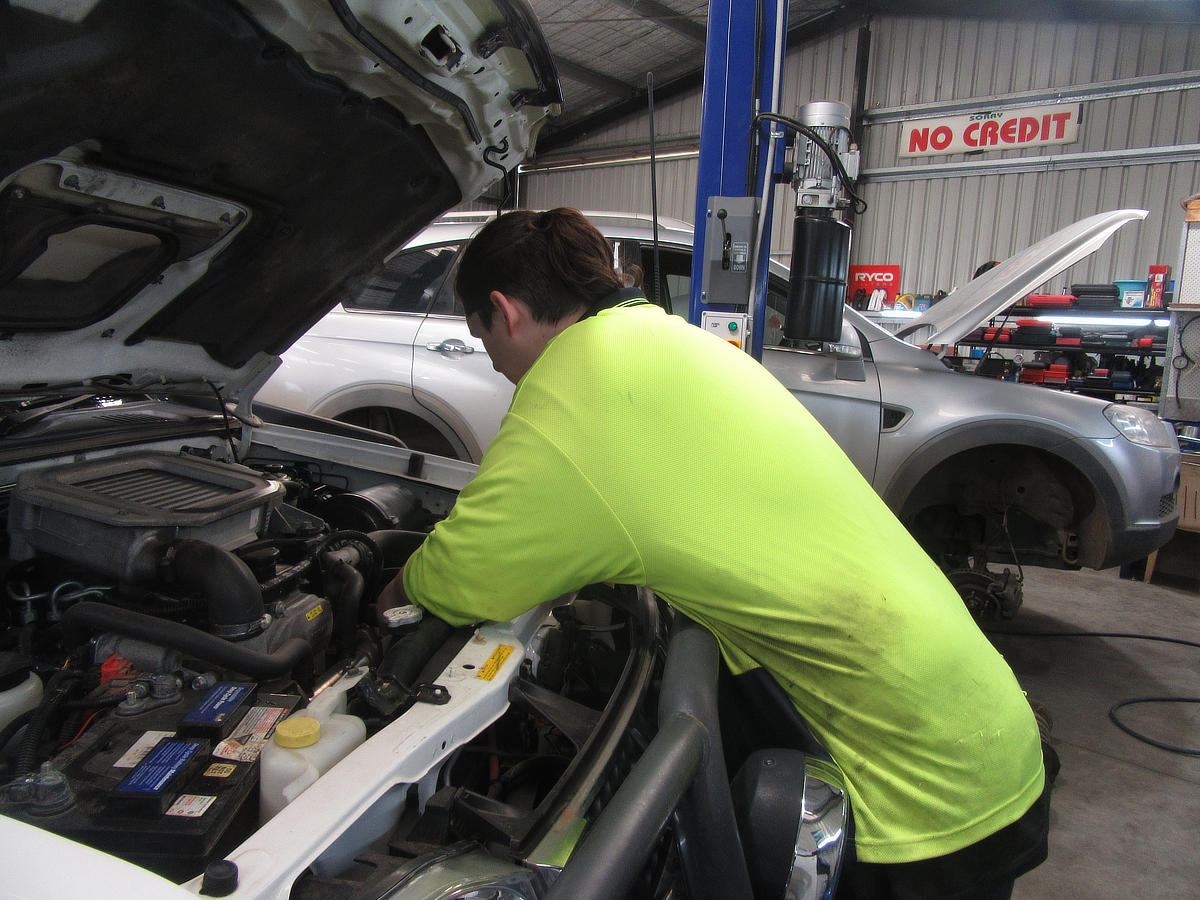
- Certificate II or Certificate III qualifications
- Part of the Western Edge Cluster (WEC) where students will participate in theory and practical components with other students in the area (Kurunjang Secondary College, Staughton College, Melton Secondary College etc.)
- VET allows students to go directly into employment with practical skills and experience
- Students are required to travel to the nominated VET school or excursion (MSS do not offer transport)
Melton Specialist School offers Horticulture
Structured Workplace Learning – SWL
Structured Workplace Learning (SWL) provides students with an opportunity to integrate practical on the job experience and learning in an industry nationally recognized VET undertaken as part of the VCAL units. It provides the context for:
- Enhanced skill development
- Practical application of industry knowledge
- Assessment of units of competency
- Enhanced employment opportunities
While undertaking SWL, students will observe different aspects of work within their chosen industry and may assist with tasks allocated by their supervisor, but should not undertake activities which require extensive training or expertise.
ASDAN
Towards Independence Program – ASDAN Certificate
The ‘Towards Independence Program’ is designed to support learners who best learn through hands on experiences, which focus on building upon their independent living and work-related skills.
Students will move through different projects throughout the week with different teachers and education support staff.
Students will achieve modules based on their level of support this includes areas but not limited to:
- Communication – identifying safety signs/information, writing for purpose, reading, interview skills
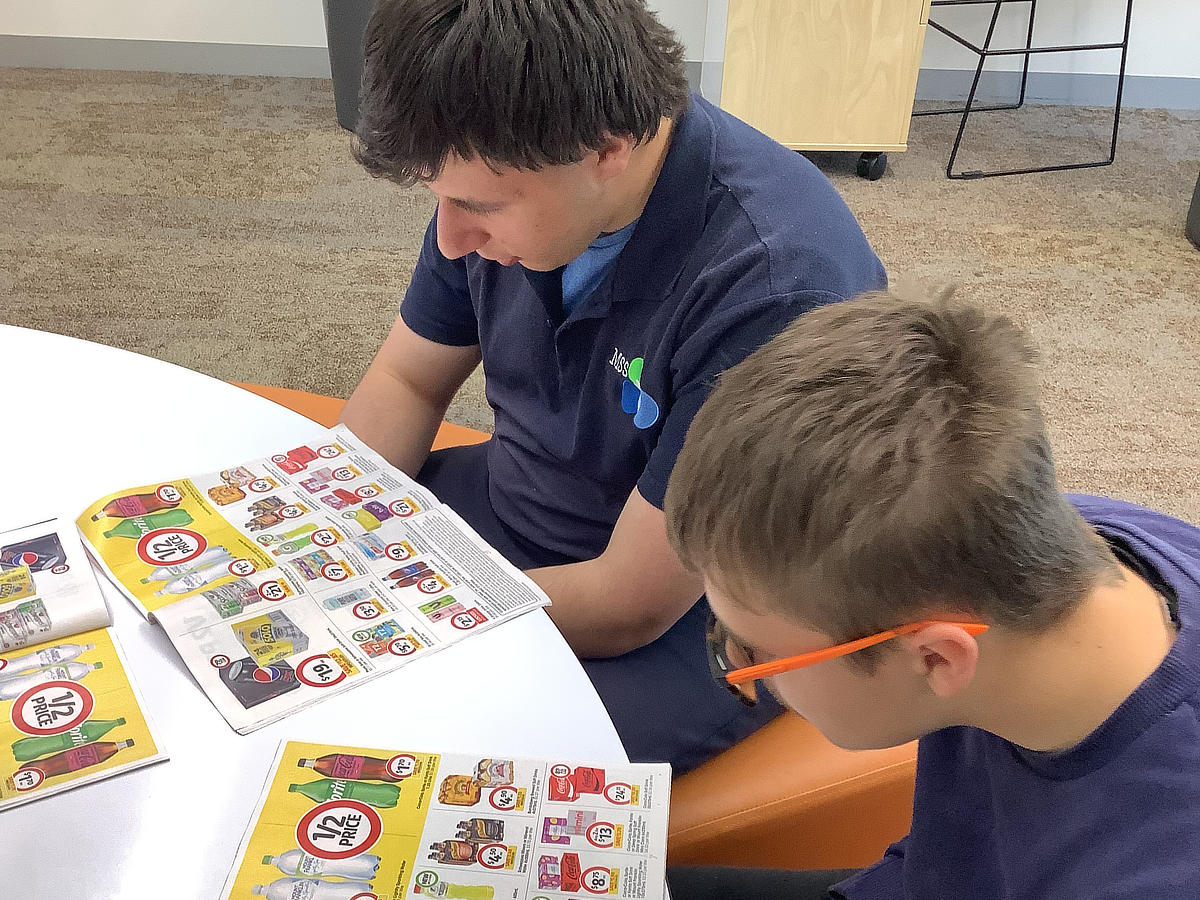
- Travel Training – being safe in the community, ordering food and drinks, shopping
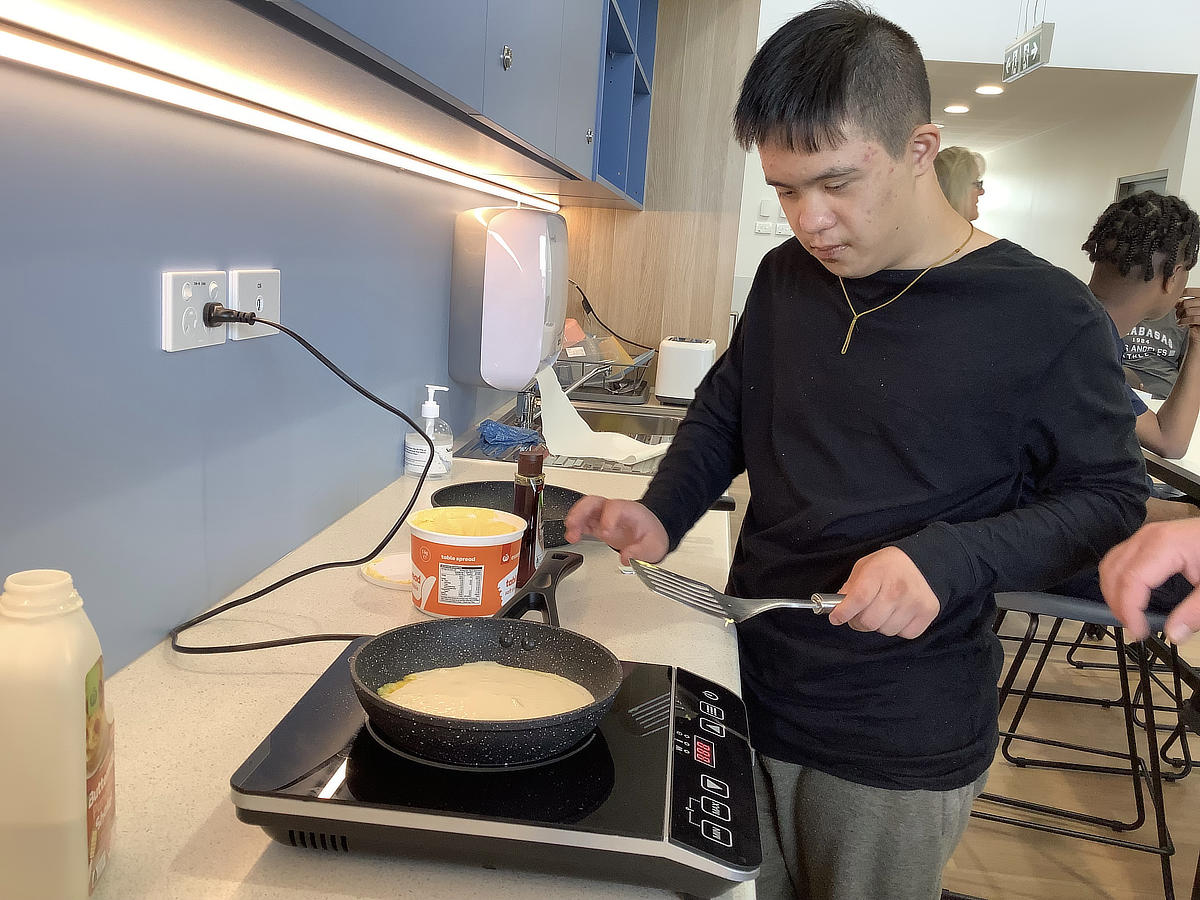
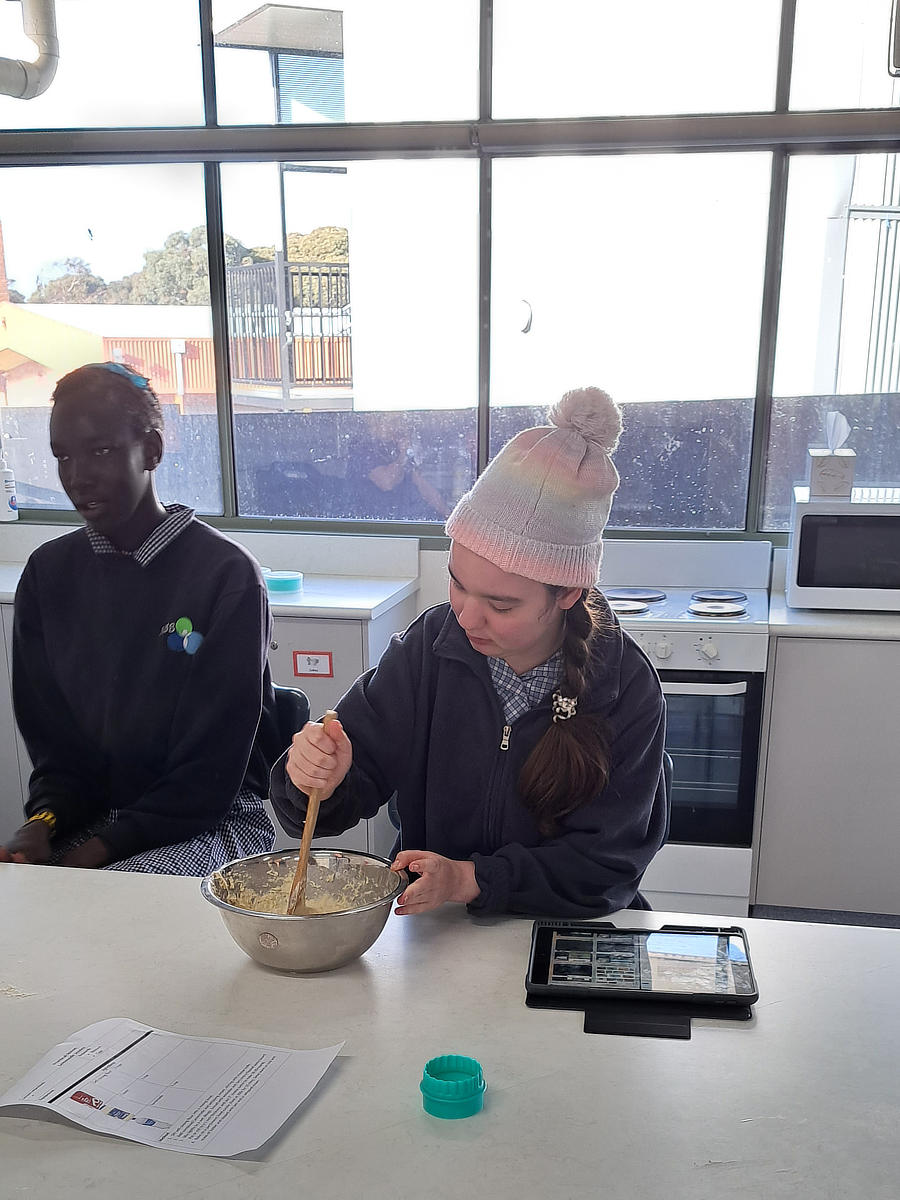
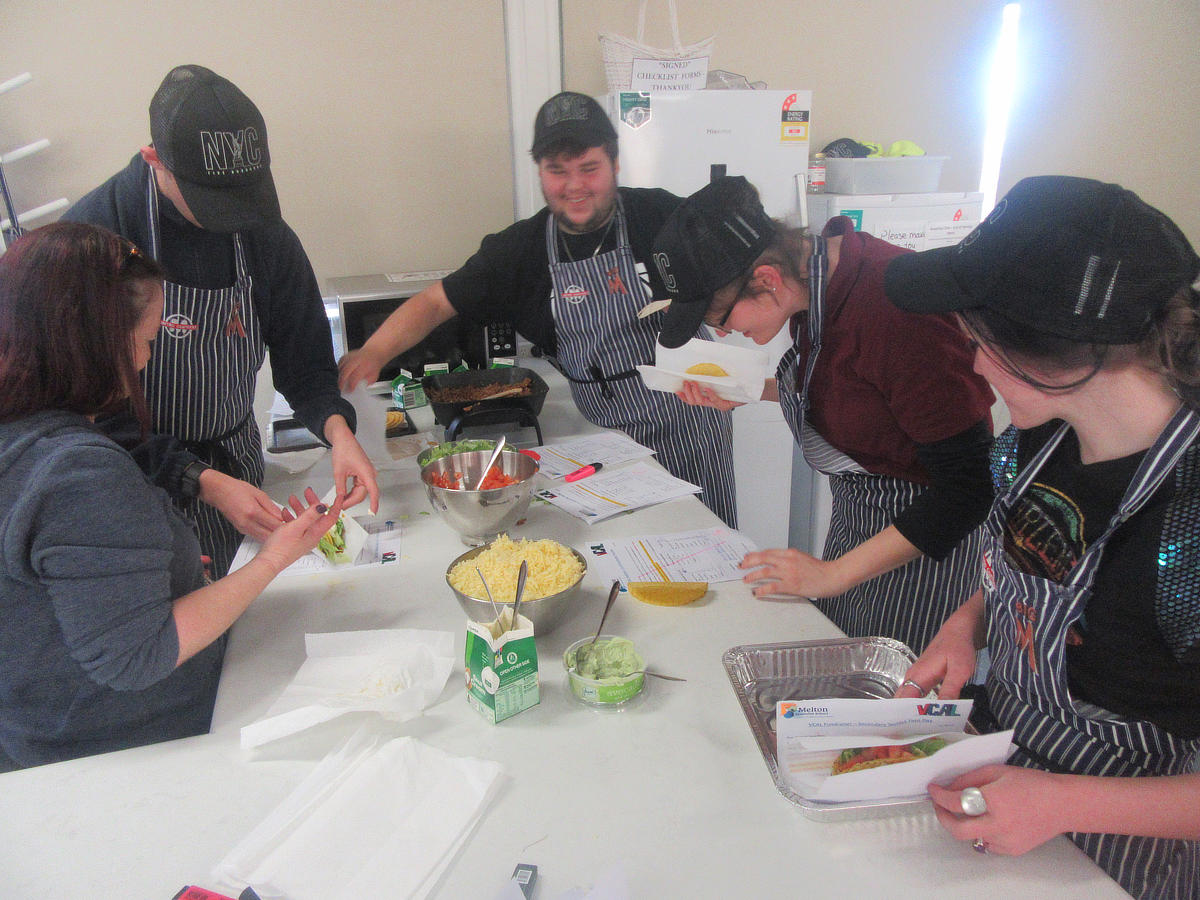
- Meal Preparation & Cooking – health and safety, using equipment, making a three-course meal
- Numeracy – in a real-world context, identifying coins and notes and sometimes change is required,

School Based Apprenticeship Training – SBAT
- Incorporates part-time employment and training (theory) within their Melton Specialist School Program or Certificate
- Students complete 7 hours of paid employment and 6 hours of training over two nominated days, every week for the school year
- Provides a hands-on learning experience
- Continues during school holidays
- Training contracts implemented by the provider
- Trainers are not staff from Melton Specialist School
- Families will need to organise transport to and from the provider (MSS do not offer transport)
Certificate II in Food Processing

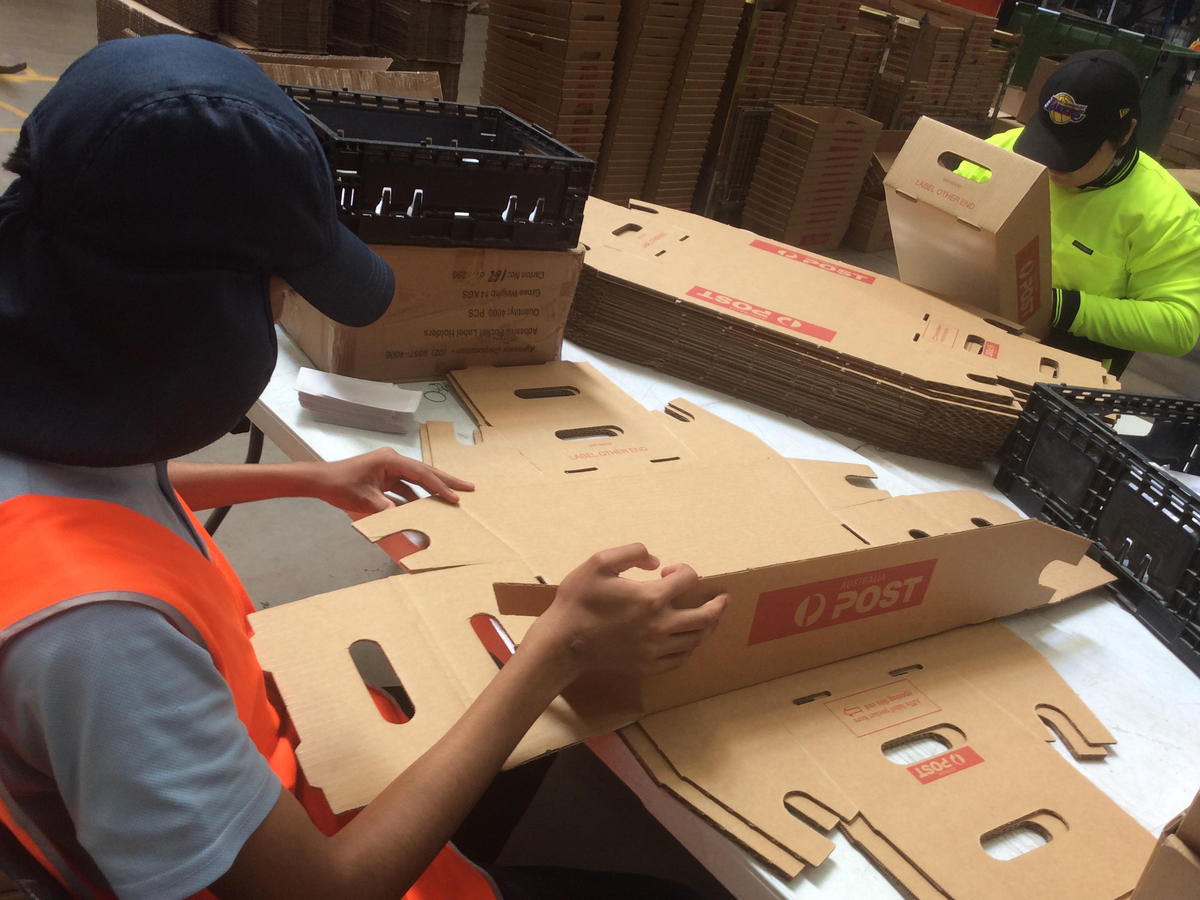
Certificate II in Warehousing
Independent Living Program – ASDAN Certificate
The ‘Independent Living Program’ is designed to support learners who best learn through hands on experiences, which focus on building upon their expressive and receptive language skills that incorporates leisure and social skills.
Students will achieve modules based on their level of support this includes areas but not limited to:
- Communication – speaking and listening in the centre, reading signs and labels, using technology
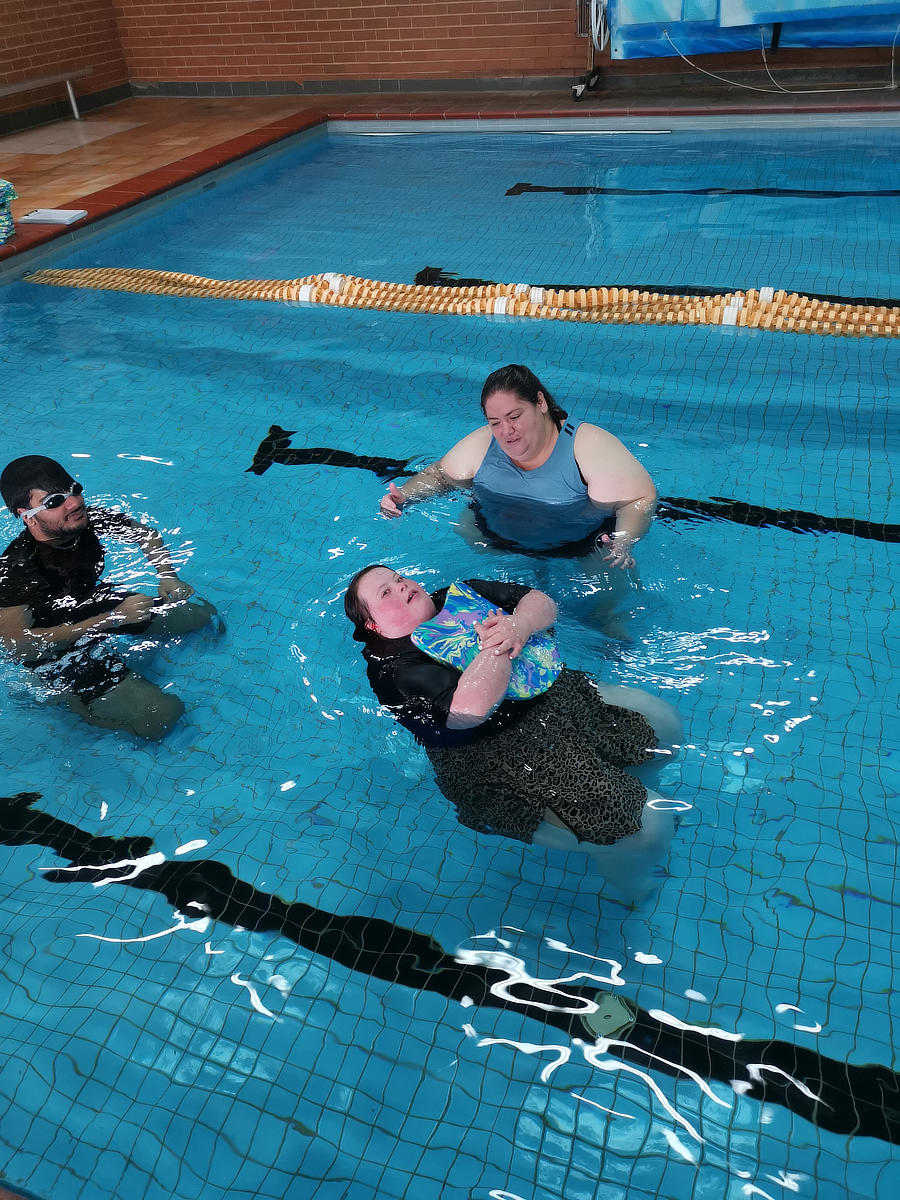
- Out in the community – going out for a drink or meal, engaging in activities
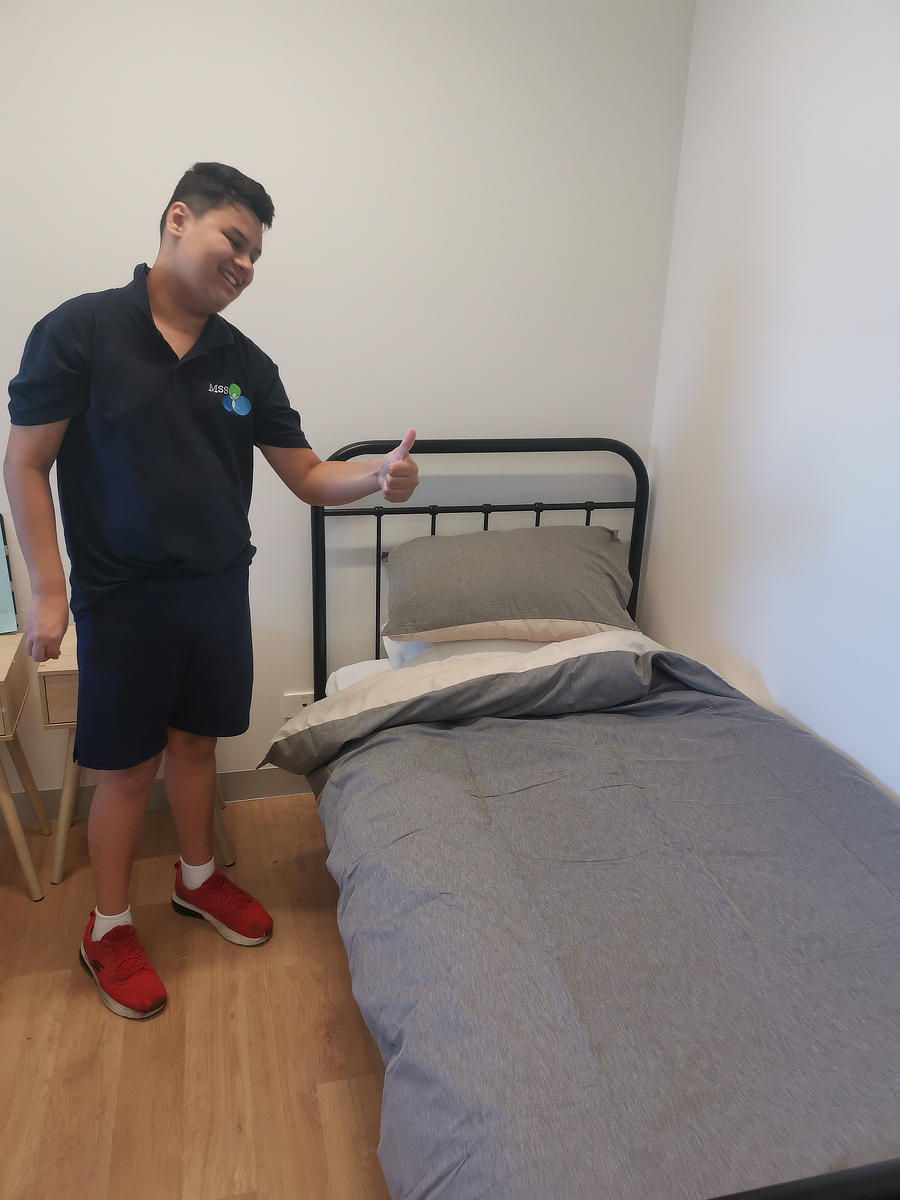
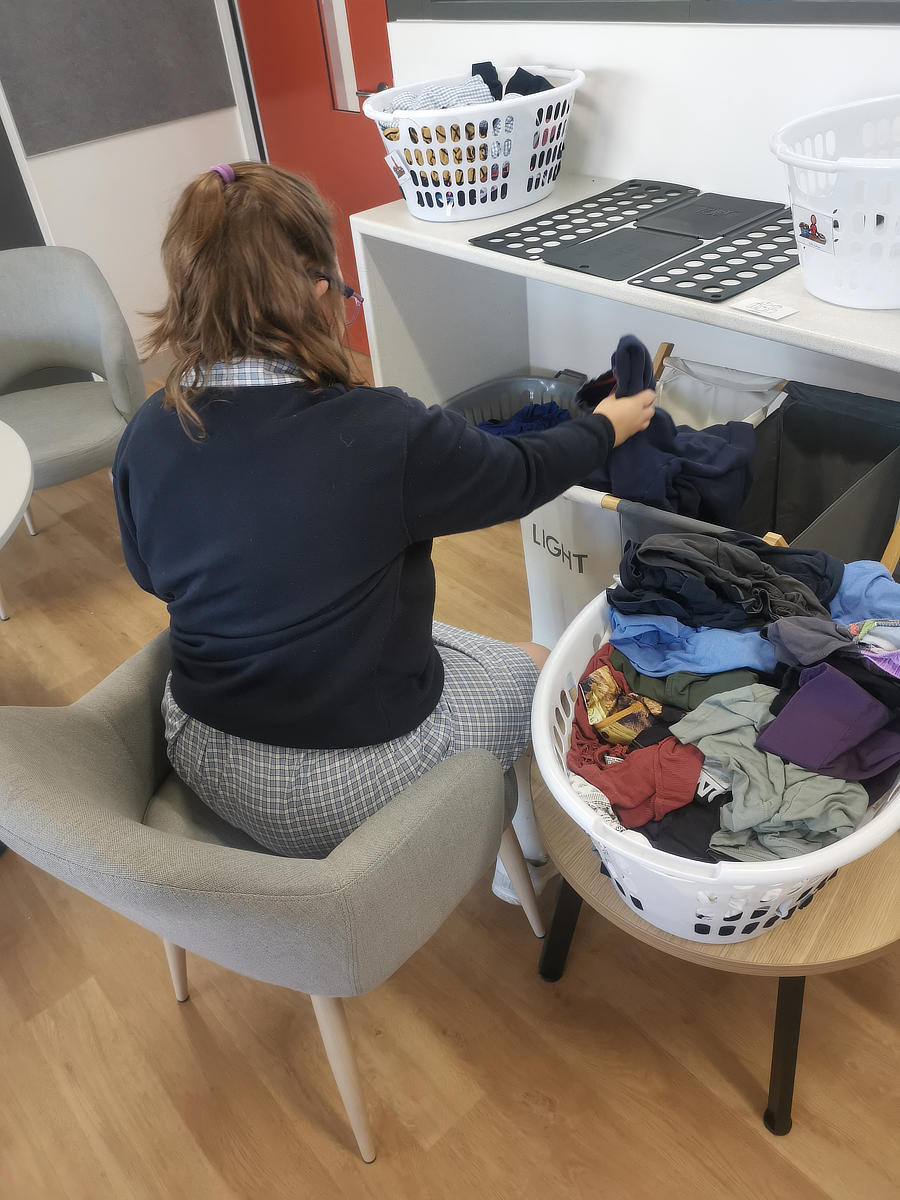
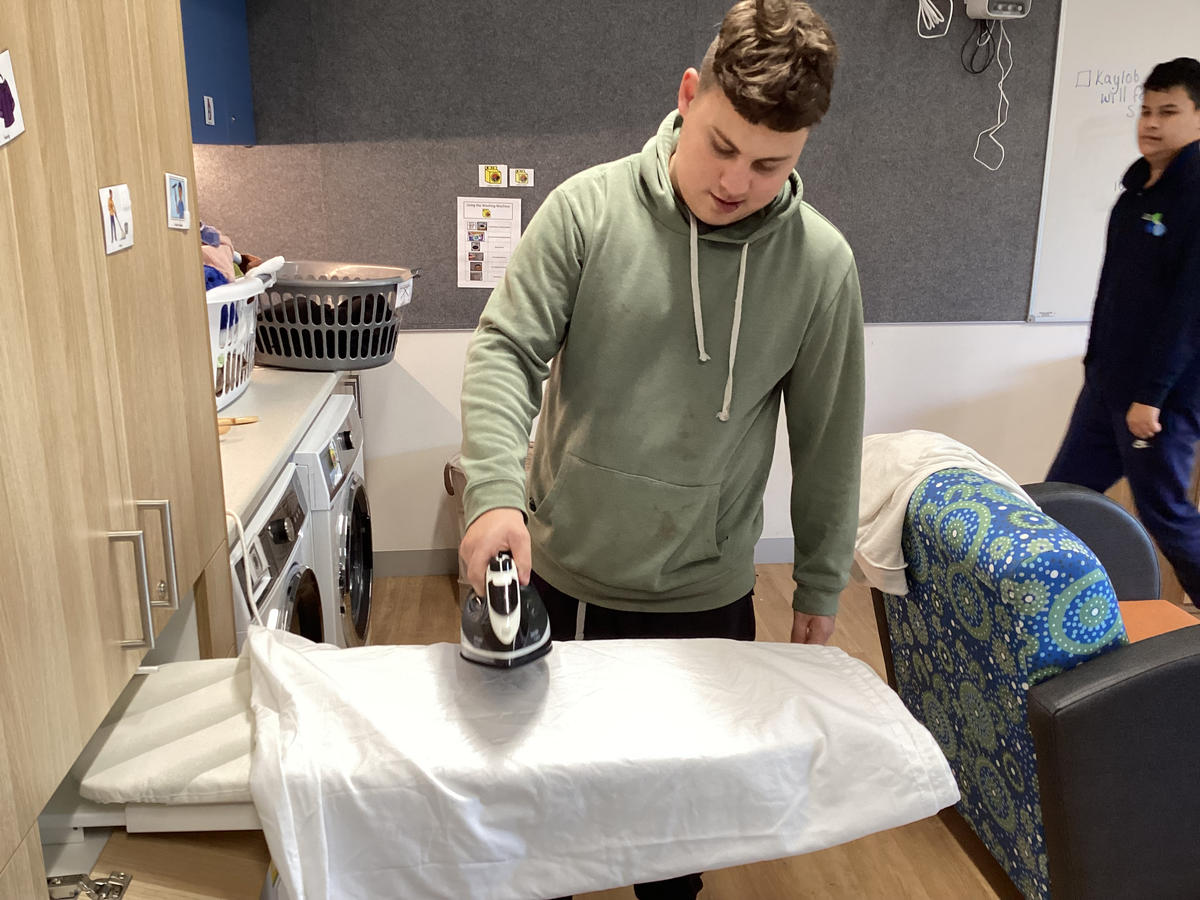
- Everyday Living – cleaning up, washing clothes
- Meal Preparation & Cooking – hygiene, safety